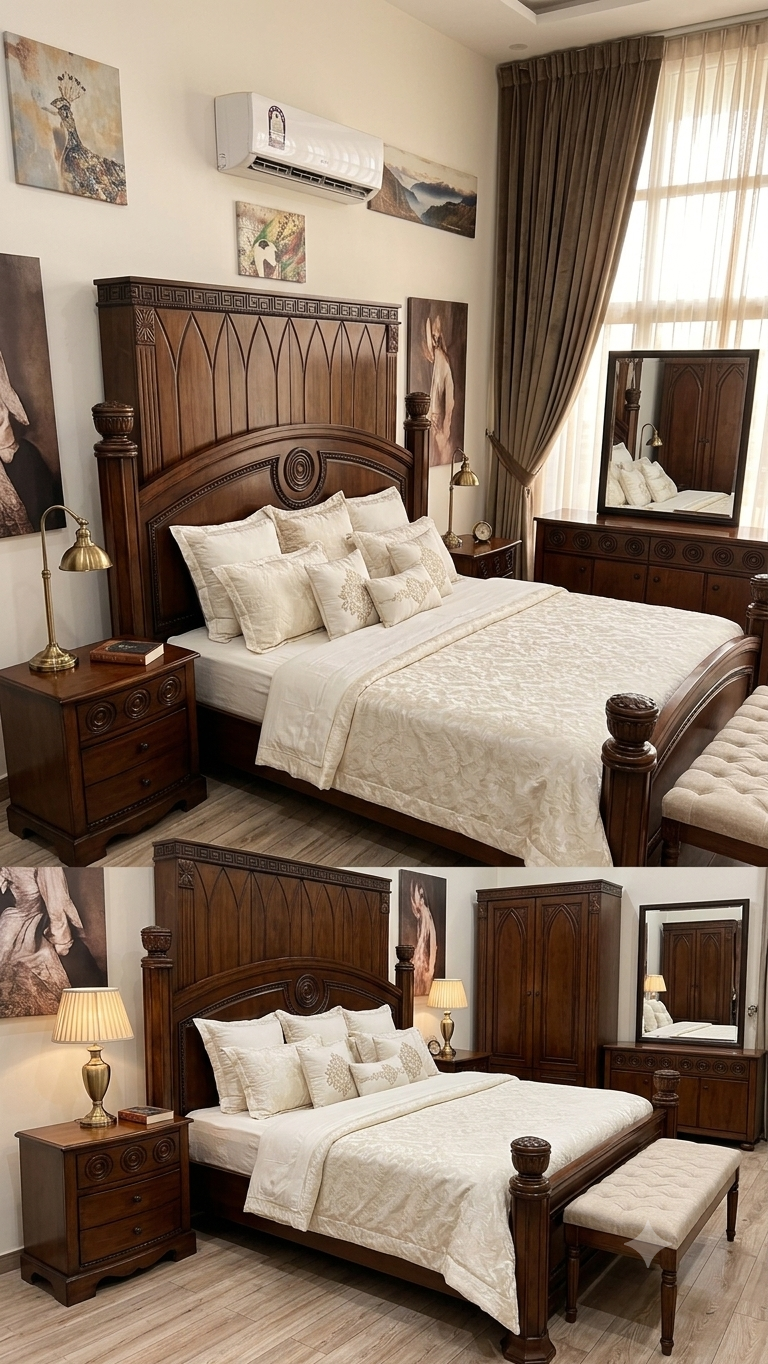
Why "Good Condition" Is the Whole Game
In Qatar, used furniture typically sells for about 30 to 60% of what you originally paid, and the single biggest lever in that range is condition. Brand and age matter, but a damaged piece from a top brand can drop below a well-kept generic one.
Here's why condition determines everything for a buyer like us: we're not buying furniture to admire it. We buy pieces we can clean, present, and resell quickly. Every flaw you leave in place is a flaw our buyer will see, haggle over, or walk away from. That means your offer is really a question of how much fixing the piece needs, not how much you once paid for it.
When we say we buy good-condition Nabco, Ikea, Home Centre, and Midas furniture, we mean pieces that can move on to a second home with nothing more than a clean and light touch-up. That's the standard.
The Condition Red Flags We See Most Often
Here are the issues we check for, in the order they most commonly appear. None of these is a judgment on you as a seller. They're just the realities of Doha's climate and daily use.
1. Warped or swollen particleboard. Doha's humidity is hard on flat-pack and particleboard pieces. A wardrobe side panel or a bed frame that has absorbed moisture swells, warps, and often won't fit back together cleanly. Once the material has blown, it rarely recovers, and the value drops sharply.
2. A sagging or broken frame. For sofas and beds, the frame is the foundation. A sofa with a sagging seat or a bed with a cracked center support is a structural problem, not a cosmetic one. No amount of cleaning fixes a frame that's losing its shape.
3. Torn, ripped, or heavily stained upholstery. Small, cleanable marks are usually fine. Long tears, large stains, pet damage, or lingering odors are a different story. Reupholstering a sofa often costs more than the piece is worth secondhand, so these flaws sink the offer fast.
4. Broken hardware and missing pieces. A cupboard missing a hinge, a drawer that won't slide, a chair missing a foot — these are small on their own but add up. Furniture that doesn't function properly can't be presented as "good condition," even if it looks fine from a distance.
5. Non-working appliances. For refrigerators and other appliances, the standard is simple: it must turn on and do its job. A fridge that cools, a freezer that freezes. Anything that needs a repair call before it's usable is a risk we won't take at a good price.
6. Odors. Cigarette smoke and pet odors are the two we encounter most, and they're among the hardest things to fix. Odors embed in fabric and foam and don't just air out overnight. A piece that smells strongly is a genuine deal-breaker for most resale buyers.
7. Deep scratches, chips, or broken glass. Light surface wear is expected and normal. Gouged wood, cracked veneer, chipped marble, or broken glass on a cabinet door crosses from "used" into "damaged," and the offer reflects that.
What "Good Condition" Actually Requires
If you're unsure where your piece lands, here's the plain-language test we apply ourselves:
• Structurally sound. It stands, supports weight, and doesn't wobble dangerously. Frames, legs, hinges, and slides all work.
• Fully functional. Every drawer opens, every door closes and latches, every appliance powers on and operates correctly.
• Clean and free of strong odors. Normal wear is fine; deep stains, rips, and lingering smells are not.
• Complete. All the major pieces are there. A dining set should have its chairs. A bedroom set should keep its matching parts together.
• No water or pest damage. No signs of mold, swelling, or insects.
If a piece checks these boxes, it's in sellable shape, and a brand-aware buyer will pay fairly for it. If it doesn't, it's not worthless — but you should expect a lower offer, or a polite no.
it's not worthless — but you should expect a lower offer, or a polite no.
Why Saying "No" Protects Good Sellers
This is the part that surprises most people: a buyer who is willing to turn away junk is actually the buyer you want handling your good furniture.
Most buyers advertise "we buy everything" because their model is volume. They absorb damaged, low-quality pieces, so they have to keep every offer low to protect their margin across the whole load. Your quality piece ends up subsidizing someone else's scrap.
A buyer who specializes in good-condition, name-brand furniture works differently. We need pieces that resell quickly and hold their value, which means we can pay a genuinely fair price for a well-maintained Nabco bedroom set or an Ikea Pax wardrobe. When we say no to a warped cabinet, that's exactly what lets us say yes with a strong offer on the good pieces.
Get a Fair Price for Your Good-Condition Furniture
The best way to know if your furniture will sell well is to take clear, honest photos and get a real evaluation. Good photos of the full piece, any visible wear, and the brand or model label help us give you an accurate offer the first time.
If you have good-condition Nabco, Ikea, Home Centre, or Midas furniture you're ready to sell, send us photos on WhatsApp and we'll give you a fair cash offer, with pickup handled for you anywhere in Doha.
What We Don't Buy: The Condition Red Flags That Kill Your Furniture's Offer
Ahmed sultan
September 19, 2026
5 min read