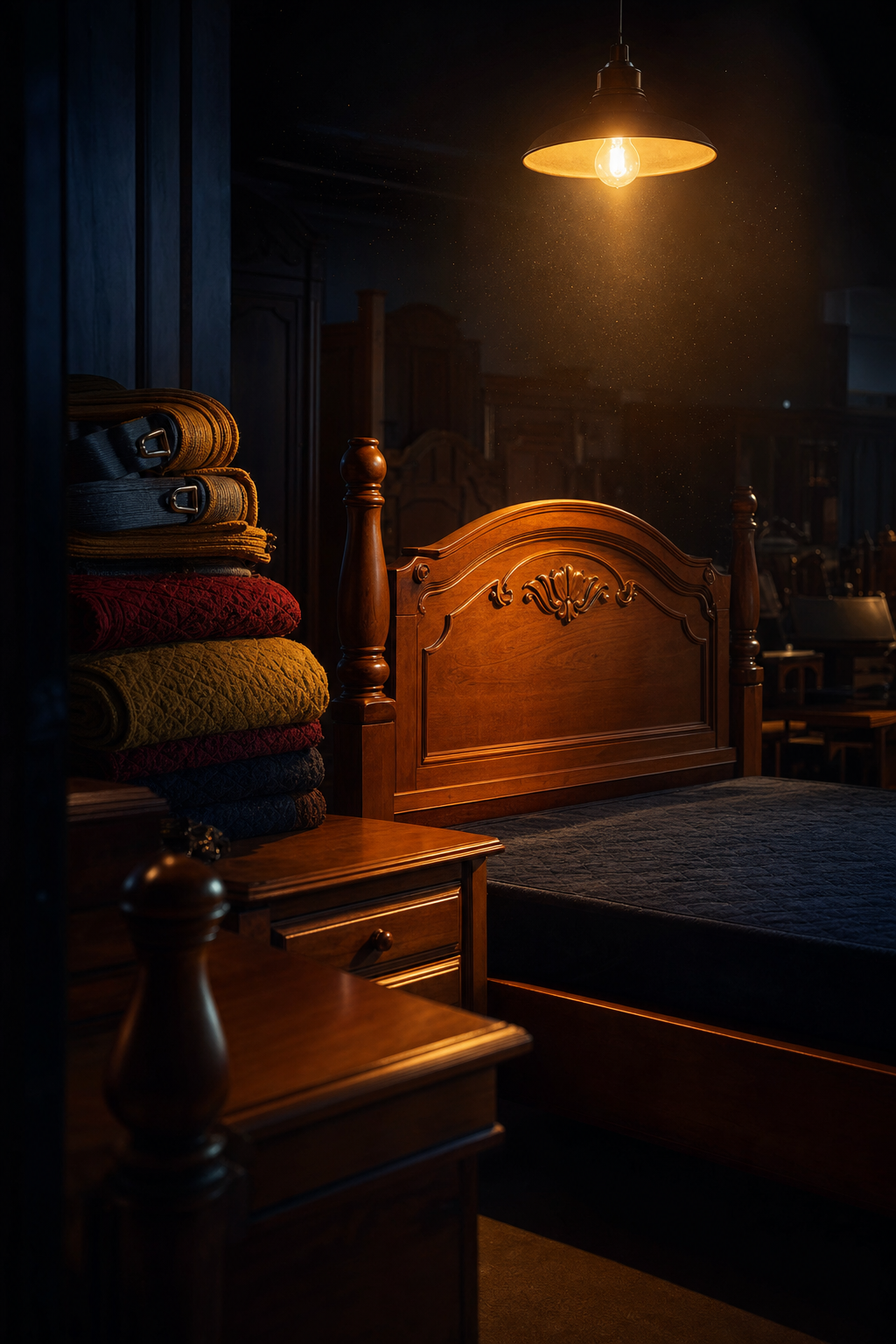
If you've ever tried to sell a good-condition Nabco bedroom set or an Ikea Pax wardrobe in Doha, you've probably felt it: the offer doesn't match what youknowthe piece is worth. There's a reason for that, and it isn't your furniture.
Second-hand furniture in Qatar typically resells for about30–60% of what you originally paid, and that spread comes down almost entirely to three things: brand, condition, and how well the buyer understands what they're looking at. The problem is, most buyers in Doha are playing a volume game — they'll take anything, pay the lowest amount they can, and move on. When the buyer can't tell a Midas dining table from a generic one,you eat that difference in your offer.
This post is about the other option: selling to a buyer who actually knows what your furniture is worth, and pays accordingly.
The Souq's "Everything Is Junk" Anchor
Doha's oldest used-furniture markets run on one unspoken rule: everything is a bargain, and every piece starts at the lowest possible price. Visitors regularly describe walking through Souq Haraj and feeling like they're sifting through"thrown-away things"being resold. That mindset sets a mental anchor — used means cheap, used means worn, used means haggle it down.
That's fine if you're unloading a scratched, outdated piece you just need gone. It's a terrible environment for a seller withqualityfurniture. When your Nabco solid-wood dining set is priced against a pile of damaged generic tables, the souq's logic drags your piece down with it. The buyer sees "used furniture," notyourfurniture.
Here's the thing that most sellers don't realize:the souq's lowball isn't a reflection of your furniture's value. It's a reflection of the souq's business model.They buy big lots, price for maximum margin on volume, and can't afford to pay a premium for individual quality pieces. Your good Nespresso... your good Nabco piece isn't worth less to the right buyer — it's worth less tothem.
What Actually Determines Your Furniture's Resale Value
Before you accept any offer, it helps to know the levers that genuinely move your price:
• Brand recognition.Buyers who know the model and retail price can estimate value instantly. Ikea, for example, holds value far better than a no-name flat-pack because incoming expats recognize the specs and trust the dimensions.
• Structural condition.Doha's humidity is brutal on particleboard. A wardrobe that's warped or a sofa with a sagging frame drops fast; a well-cared-for solid piece holds its line.
• Modularity and transport.Flat-pack items that dismantle cleanly sell faster; heavy solid-wood pieces need specialist pickup, which can chip the offer down.
• The buyer's knowledge.This is the quiet one. A buyer who recognizes a Nabco exec desk or a Home Centre dining setalready knowswhat it costs new and what it resells for — and can pay more confidently, because they know they can move it.
The last point is the entire difference between a souq offer and a fair offer. When the person pricing your furniture doesn't know the brand, they price for risk. When theydo, they price for value.
The "We Don't Buy Junk" Rule Works in Your Favor
Here's the counterintuitive part: a buyer who saysnoto junk is actually a good sign for you.
Most used-furniture buyers advertise "we buy everything." That sounds convenient, but it tells you something important: they're paying a blended rate. Because they'll absorb damaged, low-quality pieces, they have to keep individual offers low to protect their margin across the whole truckload. Your quality piece subsidizes someone else's junk.
A buyer who specializes in good-condition, branded furniture — Nabco, Ikea, Home Centre, Midas — is playing a different game entirely. Theyneedquality pieces because those are what resell quickly and hold value. That means they can pay a genuinely fair price for a well-maintained piece, because they're not spreading their risk across a pile of scrap.
Put simply:"we buy everything" protects the buyer. "We buy good-condition brands" protects you.
How to Recognize a Fair Offer on a Branded Piece
When you're deciding where to sell, look for a few signals that you're dealing with a buyer who values quality:
1. They ask about thebrand and model, not just "what furniture do you have."
2. They ask forphotos of condition and flaws, rather than just quoting a lump sum blind.
3. They can tell youwhya piece holds value — not just that they'll "give you a good price."
4. They payon the spotand handle the pickup, rather than asking you to deliver to a warehouse first.
A fair buyer doesn't need to lowball you to make a living. They make their money by knowing the market, paying honestly for quality, and moving good pieces fast — not by squeezing the seller on every transaction.
Sell to Someone Who Knows What You've Got
The next time you're clearing a bedroom set, a dining table, or a fridge before leaving Doha, don't let the souq's "everything is cheap" mindset set your expectations. A good-condition piece from a trusted brandshouldbe worth more — and to the right buyer, it genuinely is.
At Ahmed Sultan Bankok Trading, we buy furniture the other way around. We ask about the brand, we check the condition, and we pay a fair price for good-condition Nabco, Ikea, Home Centre, and Midas pieces — because we know exactly what they're worth and we know we can move them. No lowball, no haggling, no "we'll take it off your hands for almost nothing." Just a fair offer, instant cash, and pickup handled for you.
Why a Brand-Aware Buyer Pays More for Your Furniture Than the Souq
Ahmed sultan
September 16, 2026
5 min read